Five Years of Garden Studios: Looking back with our Founder and CEO, Thomas Hoegh

Posted: 31 Mar 2026
Garden Studios Thomas Hoegh

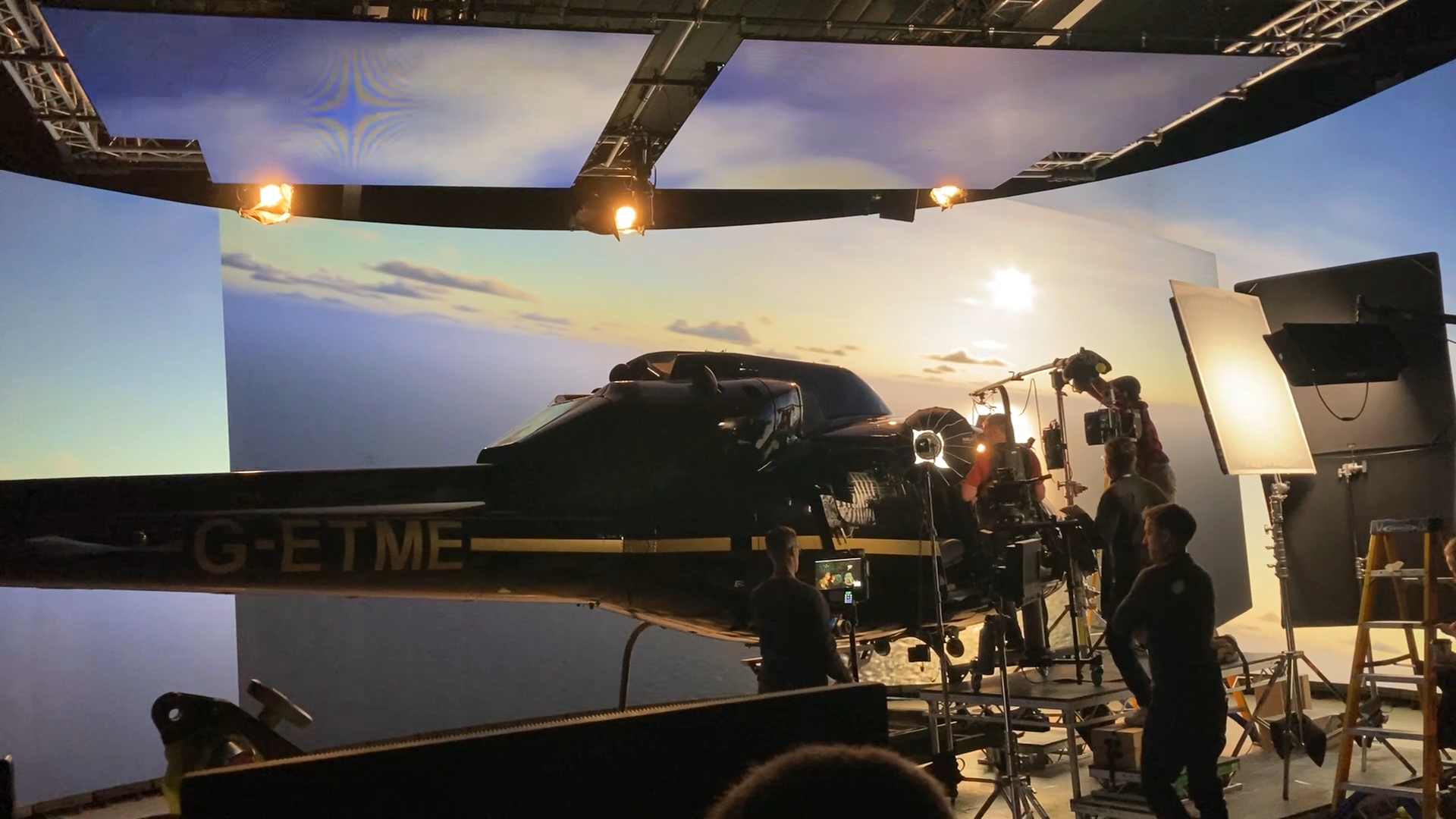
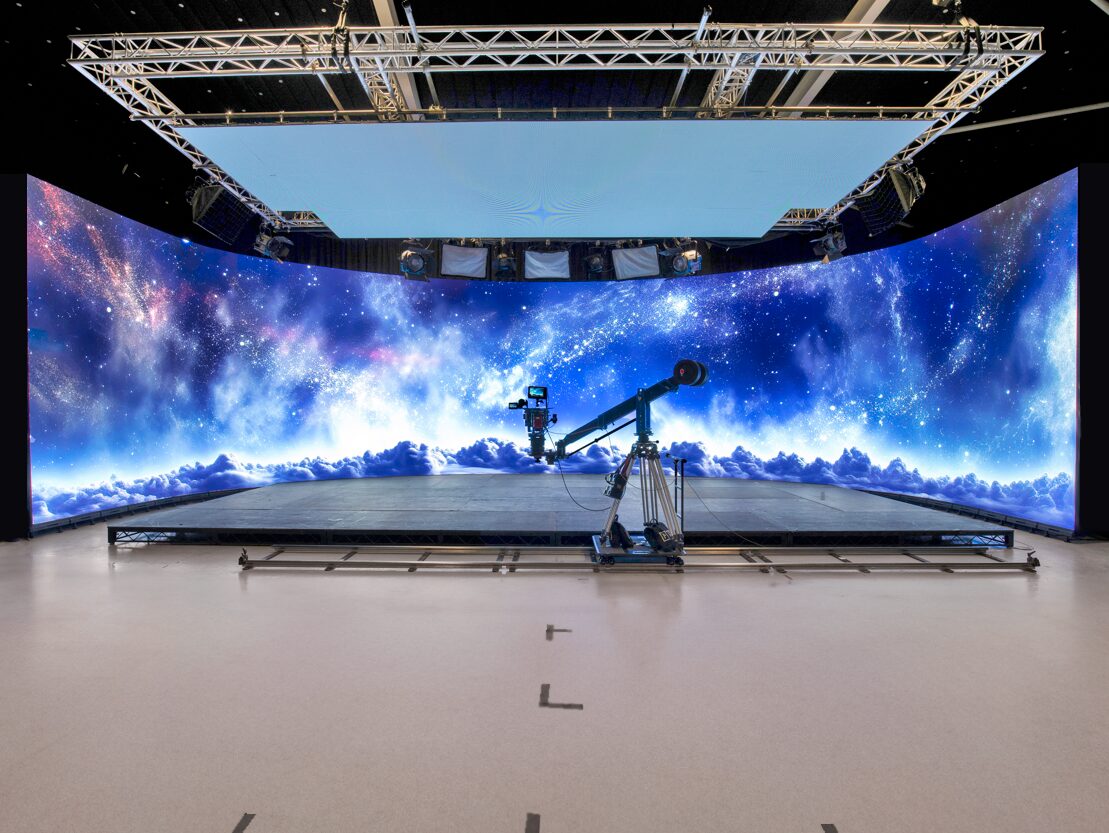
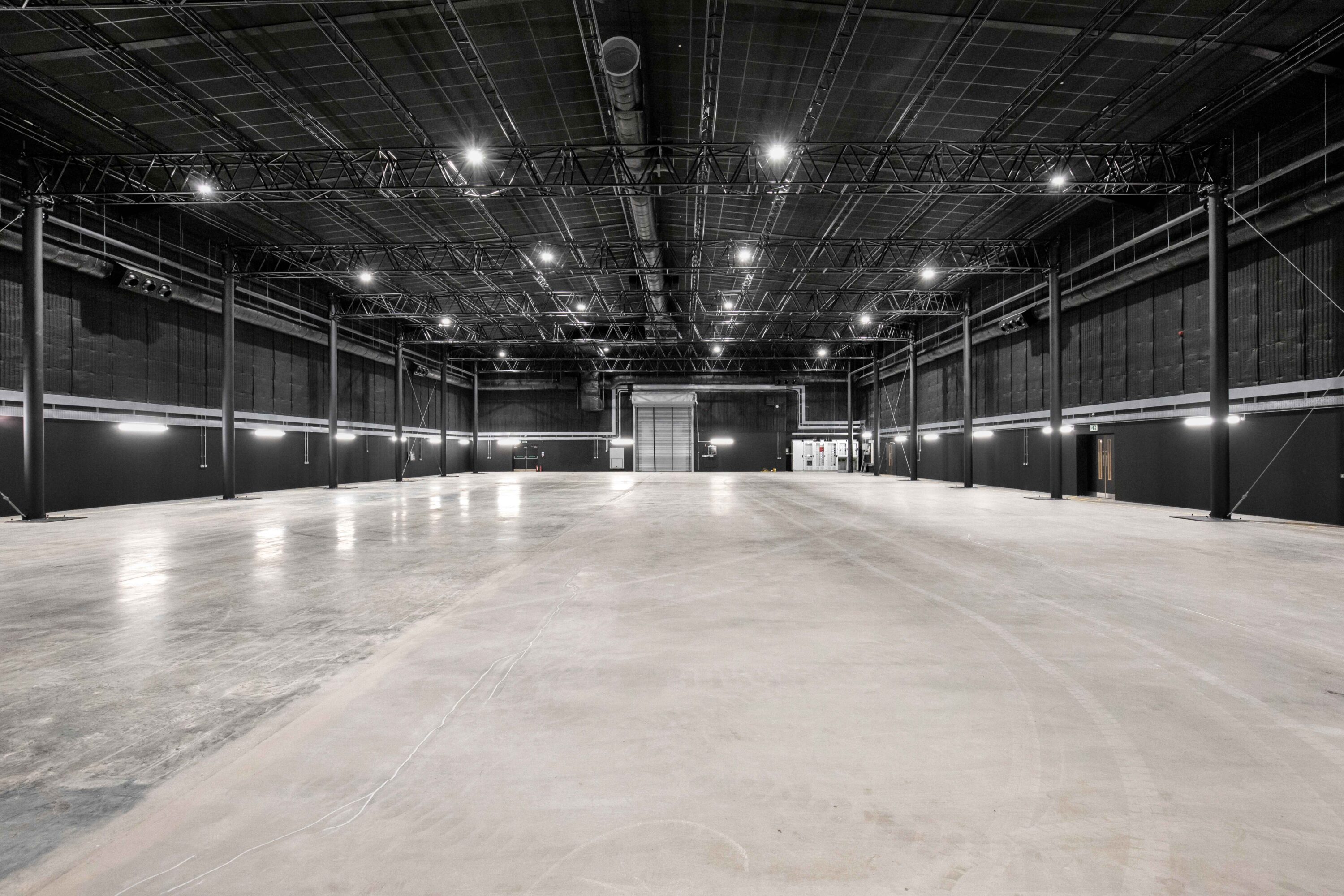
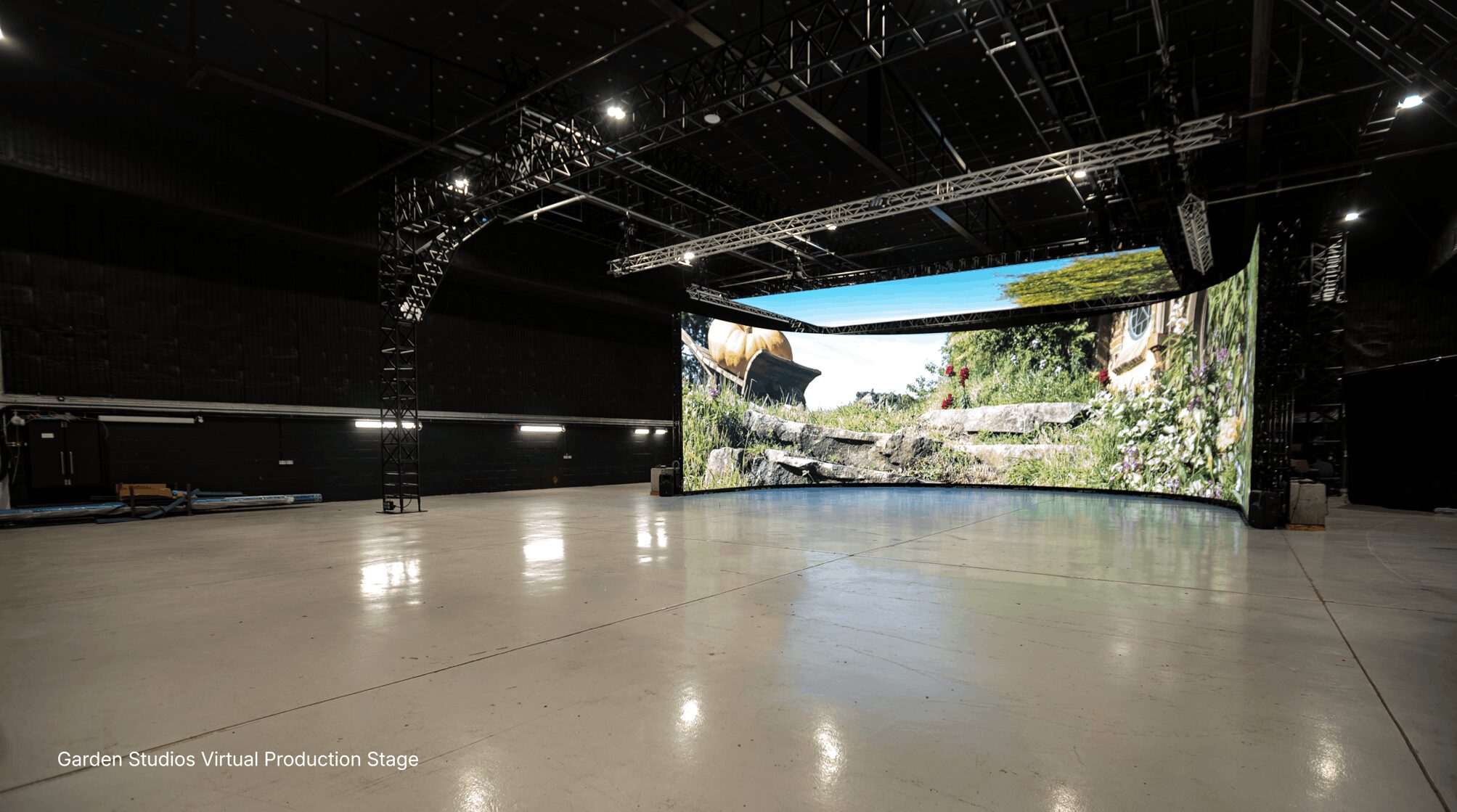
Garden Studios marked its fifth anniversary this March, celebrating half a decade of growth, creativity, and innovation within the industry. The milestone also saw the unveiling of the new home for our 24m x 5m Virtual Production LED Wall, now housed within a 7,815 sq ft sound stage. 

To commemorate the occasion, we sat down with our Founder and CEO, Thomas Hoegh, to reflect on the journey so far and share his insights on Garden’s evolution over the past five years. 

When you think back to Garden Studios in year one, what’s the biggest thing you didn’t understand yet that feels obvious now?

In year one, I underestimated the gap between technological progress and industry adoption. Technology moves fast. Much faster than anyone expects. But adoption moves slowly. Much slower than anyone hopes. 

That gap creates tension, but also opportunity. It is where disruption happens. 

We saw early on that virtual production would change how stories are made. What we did not fully appreciate was how long it would take for workflows, budgets and mindsets to catch up. That has required patience, persistence and a willingness to keep investing ahead of demand. 

Launching with a VP stage in 2021 was part of that belief. Today, having delivered over 150 projects across film, television and commercials, we see much more clearly where the real value lies. Not just in the technology itself, but in how it is integrated into the production process. 
What’s one decision from the past five years that shaped the company more than you expected at the time?

If there is one decision that has shaped Garden Studios more than I expected, it is putting sustainability at the core of everything we do. 

It is hard work. It requires constant attention and often comes with trade-offs. At times, it would have been easier not to prioritise it so highly, particularly as the global conversation has become more cynical and some organisations have stepped back from their commitments. 

But it matters. Not just for the industry, but for the kind of company we want to be. 

Productions that have ambitious sustainability goals and engage with our initiatives are particularly inspiring to work with. ‘The Capture’, Season 3 (Heyday Television/ Universal Studios / BBC One), is a good example where the focus and engagement came from the very top.  Working closely with the sustainability consultants, PictureZero, and the production, we were invited to take part in internal meetings where we as a studio could offer advice to facilitate optimal outcomes. We were also able to offer help with donations and sales of props and set material at strike with a considerable volume of wood being donated to local material reuse agency ReCollective and large part of the prop store being sold to another production on site achieving both sustainability goals and cost efficiency.  

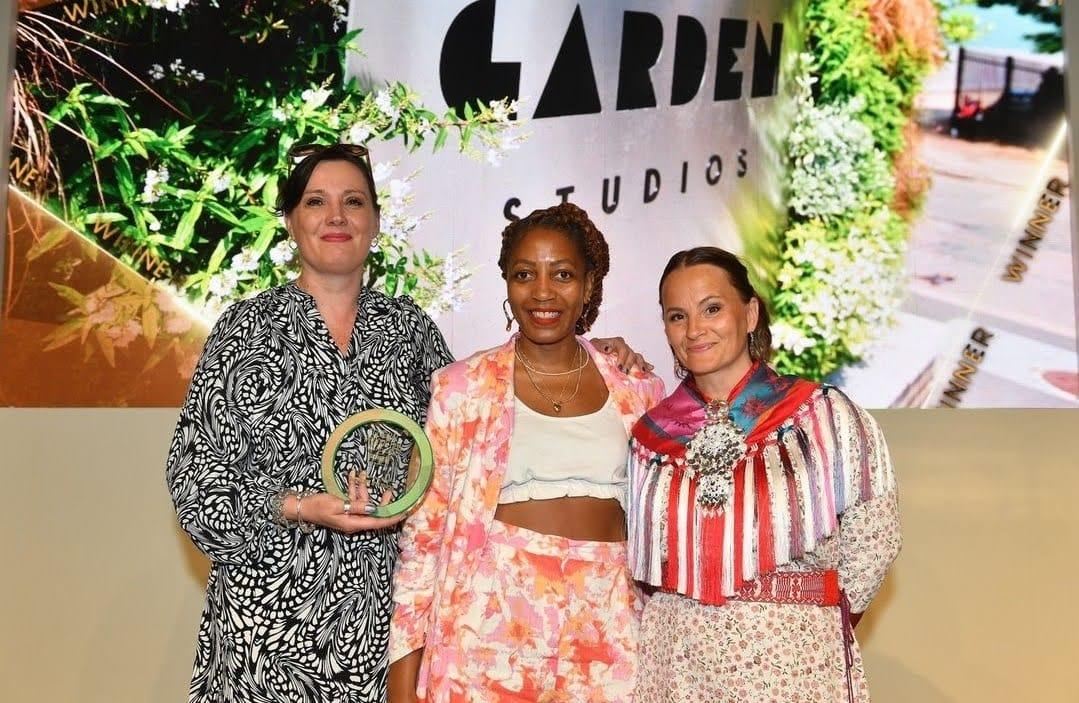
Winning the Sustainability Initiative Award at the Global Production Awards in 2025 for our Reset and Reuse work was a proud moment. Not because of the recognition, but because it showed that practical, scalable change is possible. Taking set waste and turning it into something useful for communities is a simple idea. Executing it consistently is not. 

What’s one cultural value that wasn’t written down at the start but became essential over time?

Some values are written down early. Others emerge through experience.  

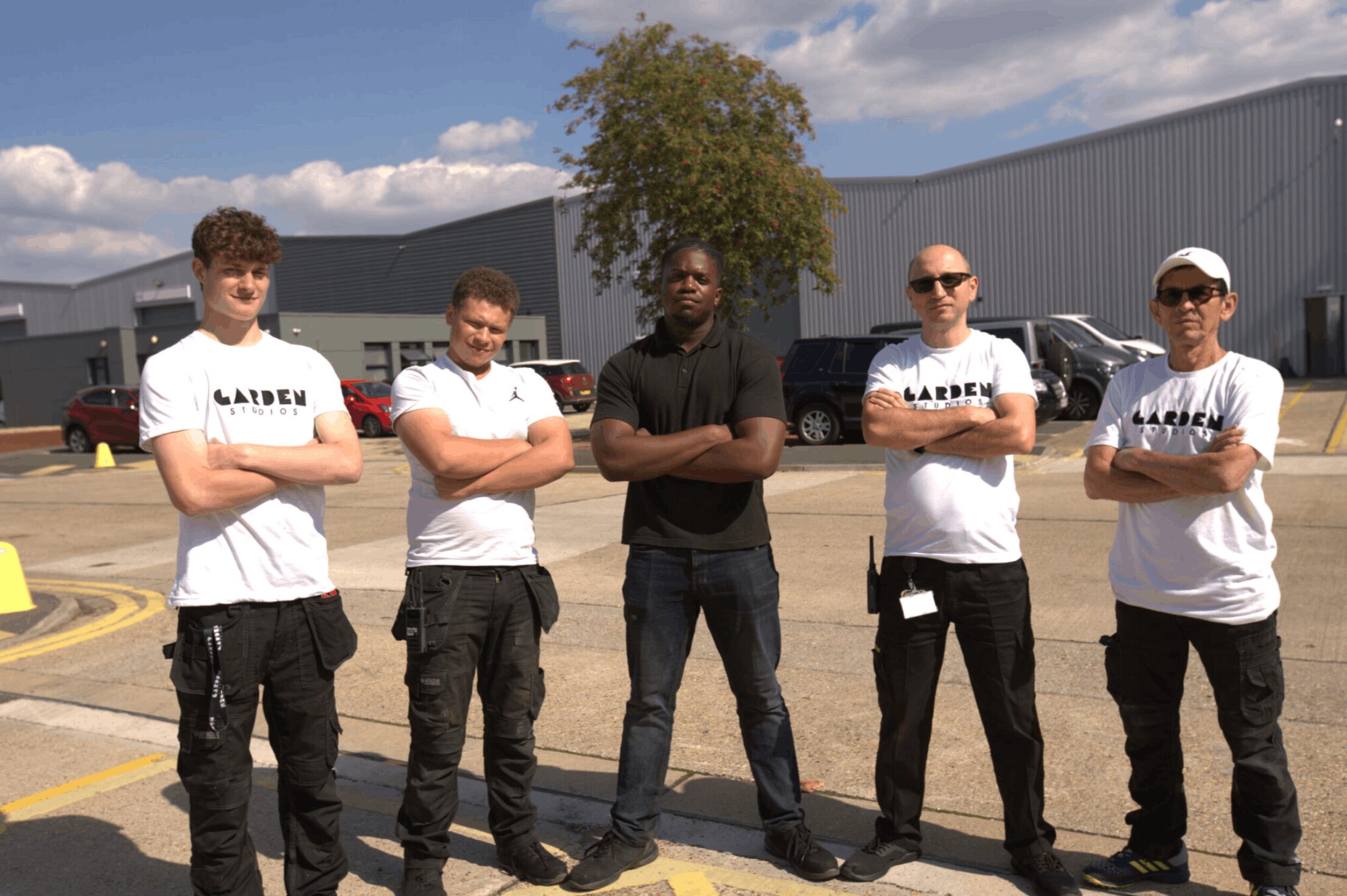
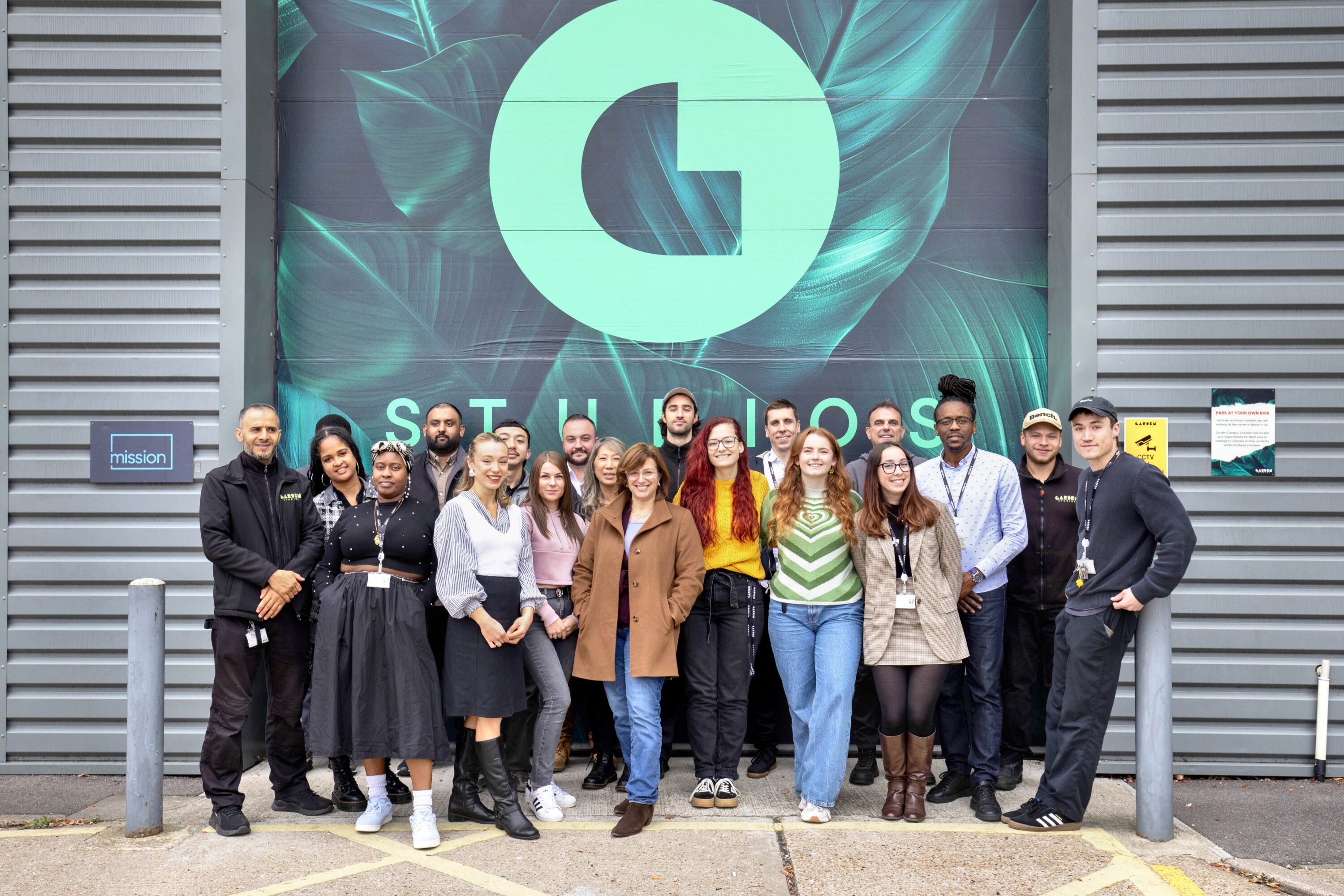
One that has become essential to us is a sense of shared ownership. Garden has grown quickly, from a small founding team to a much larger group across facilities, client services, HR and technical departments. That growth only works if people feel they are part of building something, not just working within it.  

We have been fortunate in that regard. Many of the people who joined us early are still here, and have grown with the studio. Adrian, our Technical Facilities Manager, has been part of the journey from the beginning. Sam Kemp joined the second week the studio opened as a runner and is now our VP Supervisor, playing a key role in shaping how we deliver complex productions.  

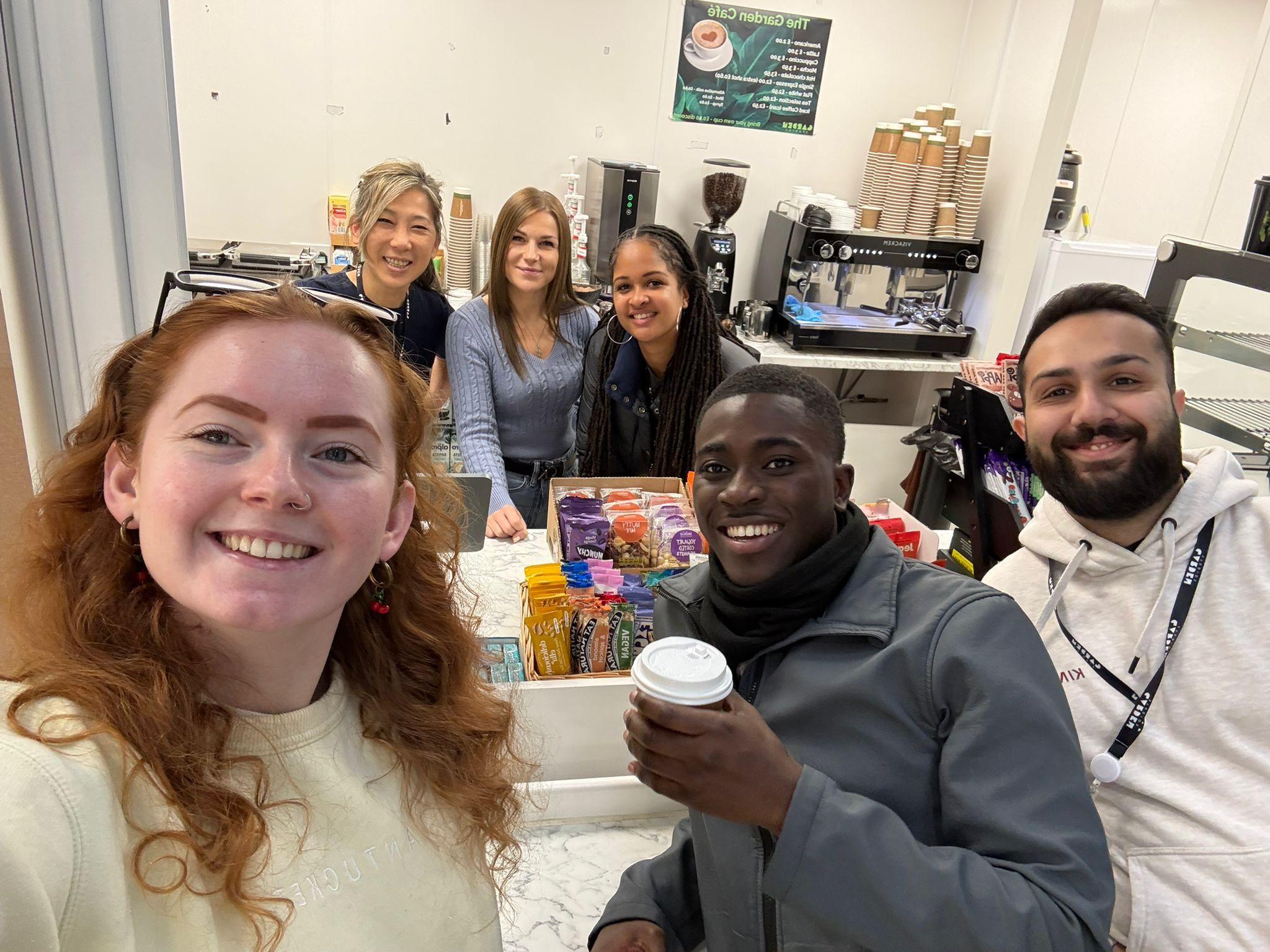
At the same time, we have welcomed many new colleagues into the team. Over the past year alone, we expanded across multiple departments and hosted 14 work experience placements, bringing new energy and perspectives into the studio.  

What has stayed constant is the belief that people matter most. We need to keep improving how we support our team, not just operationally but in terms of learning, development and care. That is an ongoing responsibility.  

What did you plant 5 years ago that's been growing since then?

Physically, the studio has changed dramatically.  

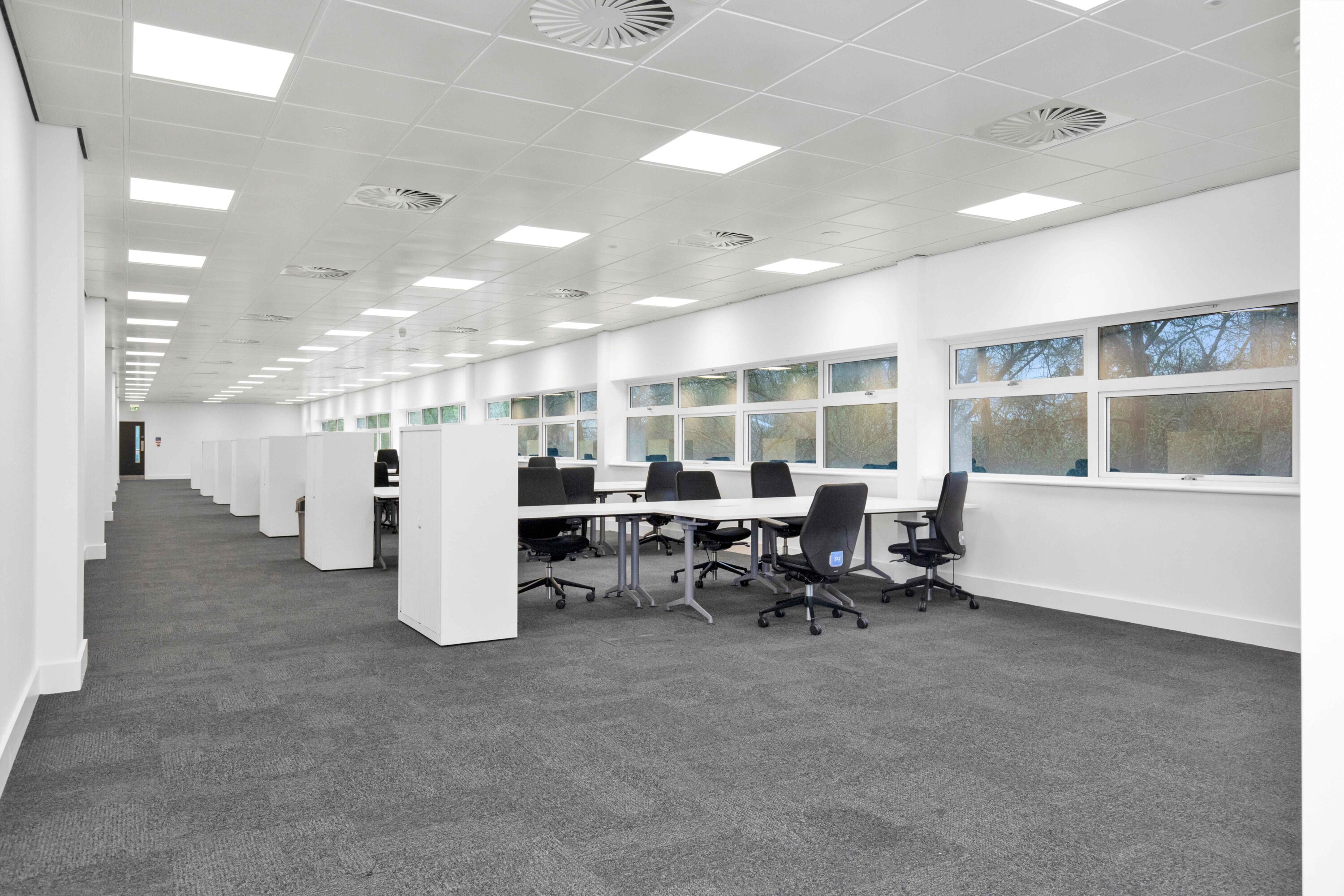
We started with two sound stages. Today, we have seven. The opening of Rose Campus last year marked a major milestone, adding new stages, production offices and TV galleries, and expanding what we can offer to clients.  

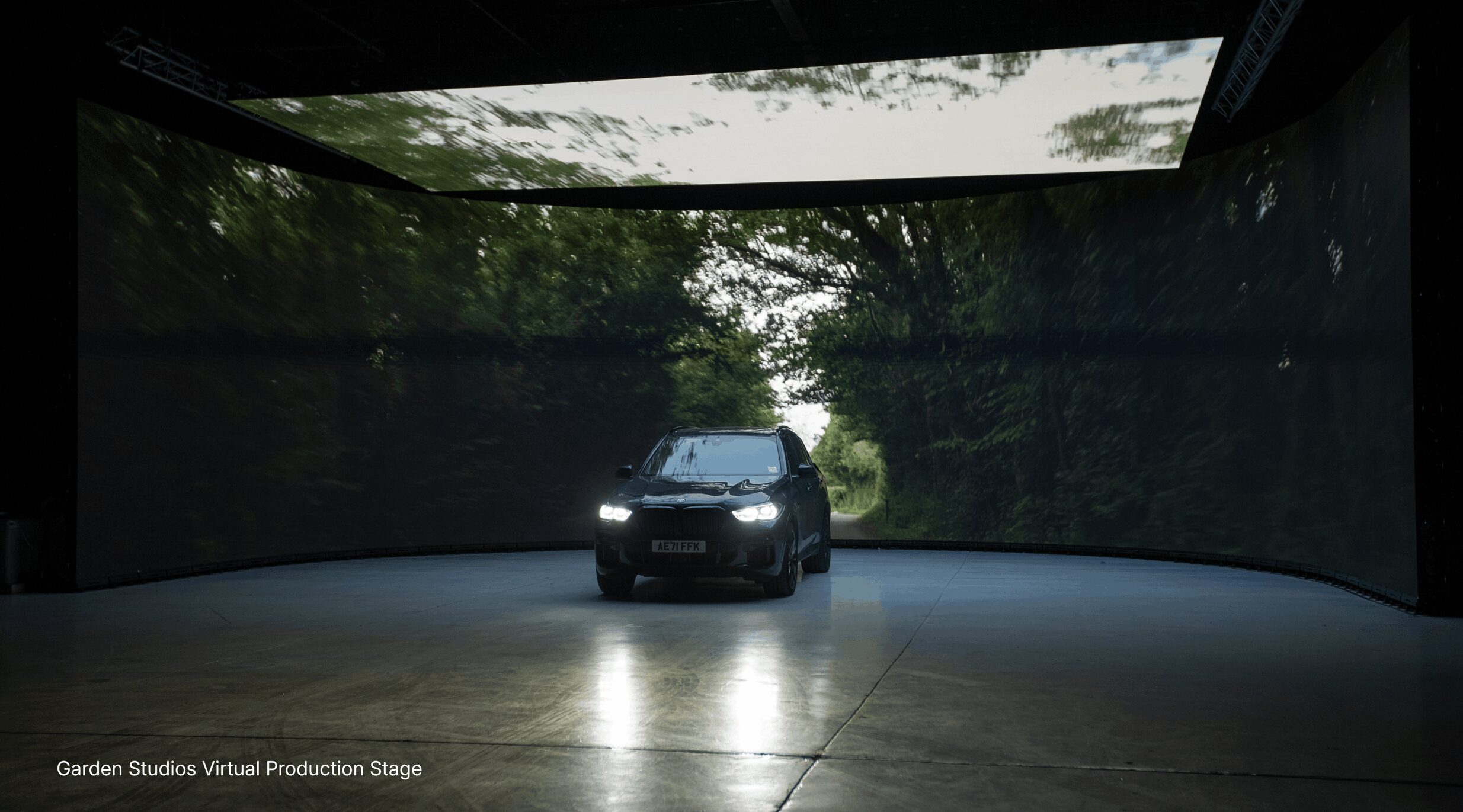
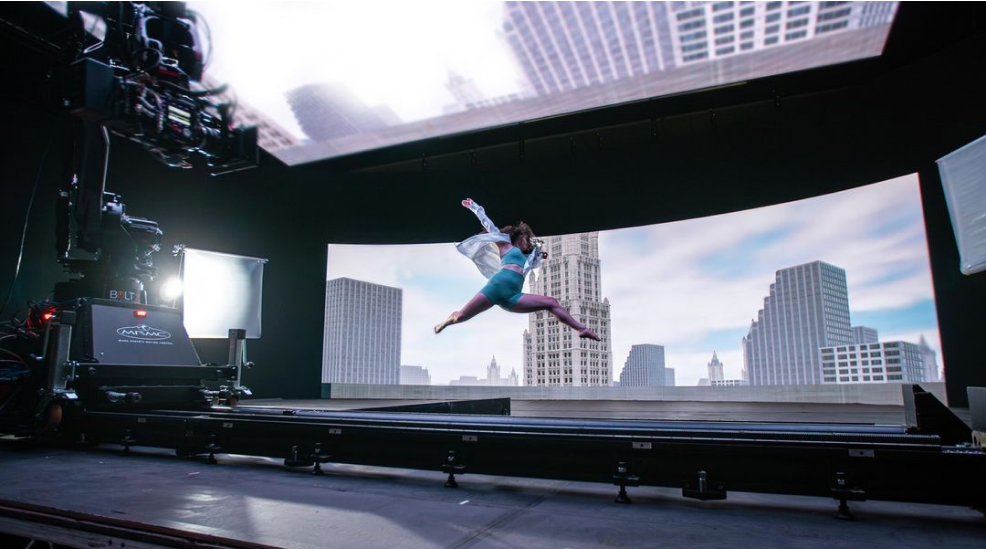
Alongside that, our virtual production capability has evolved significantly. This month, we unveiled our most advanced VP stage to date, now with a permanent home at the Lily Stage.  

This new stage is the result of five years of intensive production experience. It has been designed to reduce friction on set, improve efficiency and respond directly to the challenges productions face.  

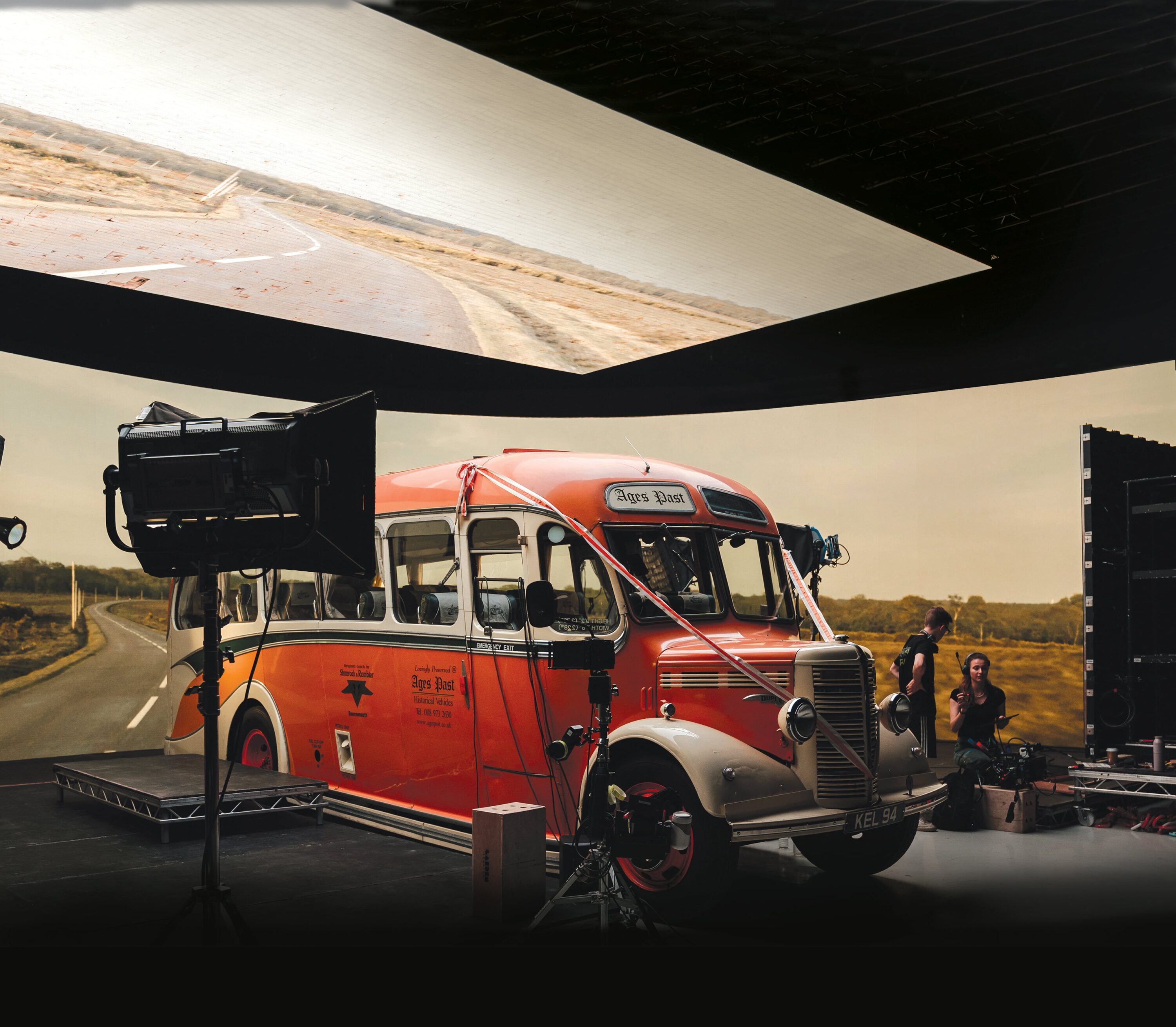
The fully motorised LED ceiling, the flexibility of the stage layout, and the integration of lighting and colour workflows all come from practical learning. We have focused particularly on driving process work, enabling everything from cars to large stunt vehicles to be brought into a controlled environment.  

What matters is not the specification itself, but what it enables. Faster setups. Greater creative control. Fewer compromises.  

What’s one thing about running Garden Studios that still surprises you, even after five years?

One thing that still surprises me is how difficult it can be to have holistic budget conversations with producers.  

There is often a focus on individual line items, with comparisons made to facilities that operate in very different contexts. Being inside the M25 changes the economics, but it also changes the schedule, the logistics and the overall efficiency of a production.  

Where a project is shot has a significant impact on its total cost. When that is fully considered, we are highly competitive. But it requires a broader view than is sometimes taken.  

This is part of the ongoing education process, both for us and for the industry.  

What’s one lesson from the first five years that you wish more founders paid attention to?

If there is one lesson that I wish more founders paid attention to it is that speed matters.  

Getting things done quickly, maintaining momentum and continuing to push forward is critical. The industry does not stand still, and neither can we. When covid hit and the industry slowed, we purchased our Iris campus, which would turn out to be three of our premium sound stages. It was a risk, but one that paid off. 

At the same time, speed has to be balanced with care. For the work, for the clients and for the people building it all.  

What is top of mind as you look ahead?

As we move beyond our fifth year, the ambition is simple: to make Garden Studios a better place to work, to innovate and to create. We are expanding our “On-the-lot” footprint and invite relevant companies to join our campus to obtain cost effective, flexible and scalable spaces in a context that is exciting and relevant.  

That means continuing to invest in infrastructure that genuinely supports productions and long-term clients. And it means building an environment where our team and other teams can thrive.  

Our humble goal is to be the home of the best talent in front and behind the camera, as well as supporting and managing the creative process and technical innovation. 

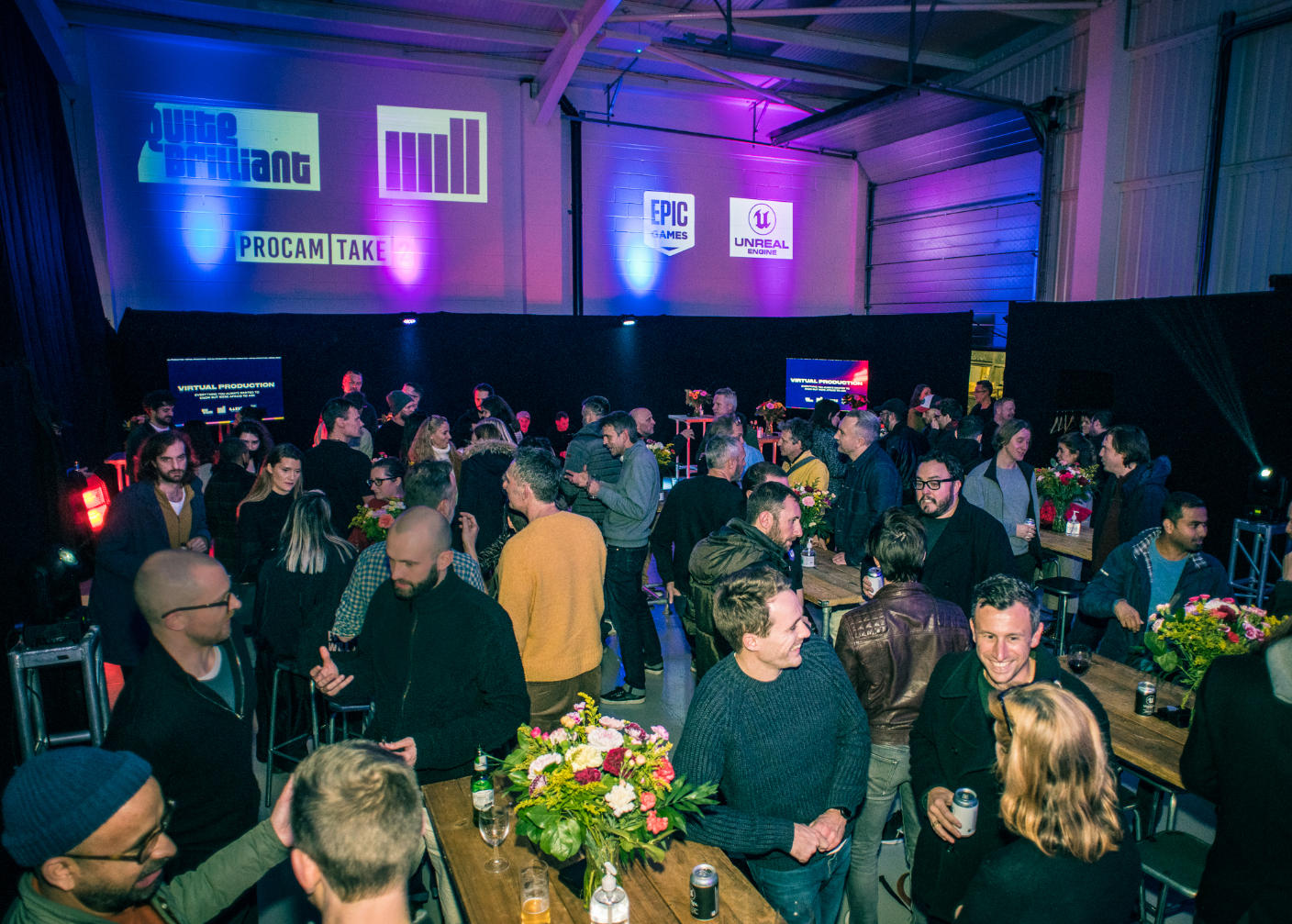
You can view all the images from our evening reception here.

Garden Studios 5th Anniversary Celebration