A 2021 trend report commissioned by the Göteborg Film Festival predicted that Virtual Production would be completely normalised by 2026. Now that this year has arrived, has this forecast come true?
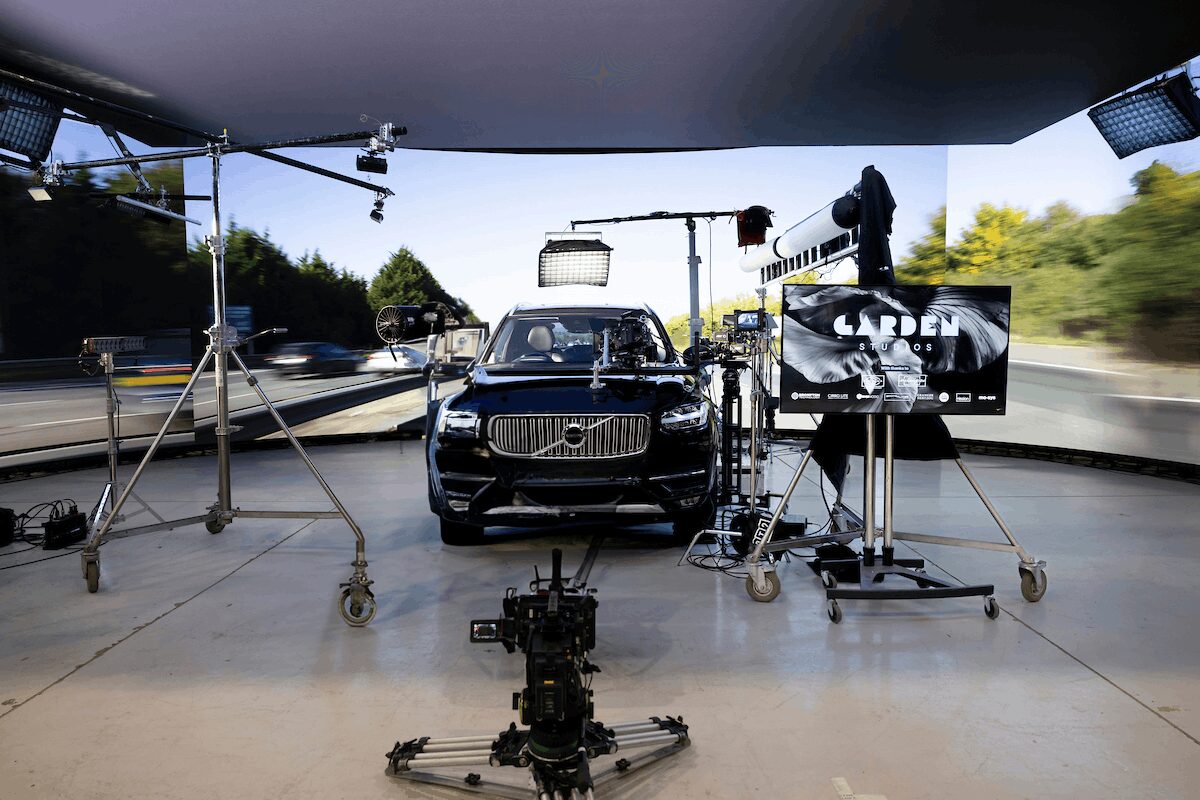
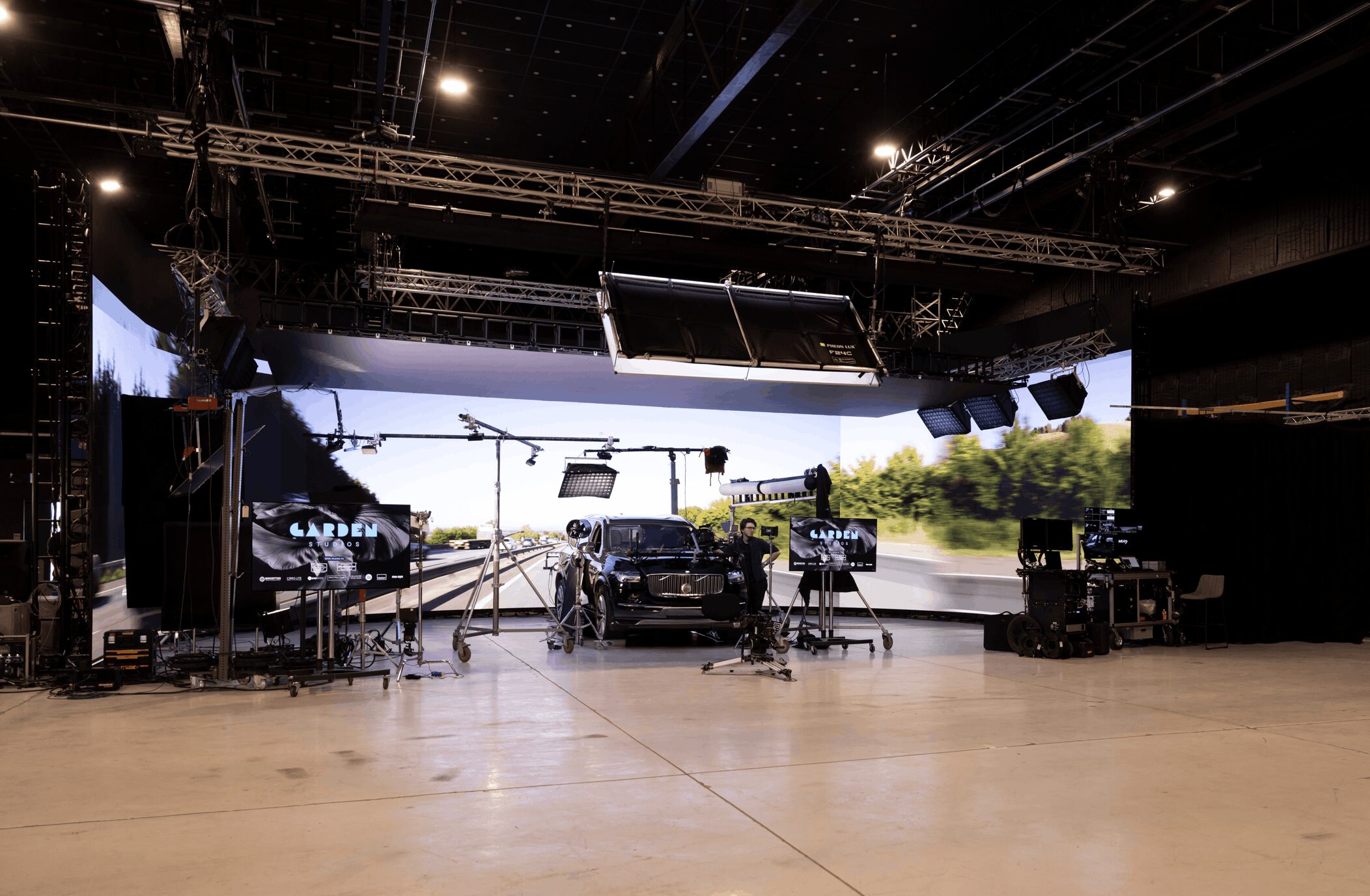
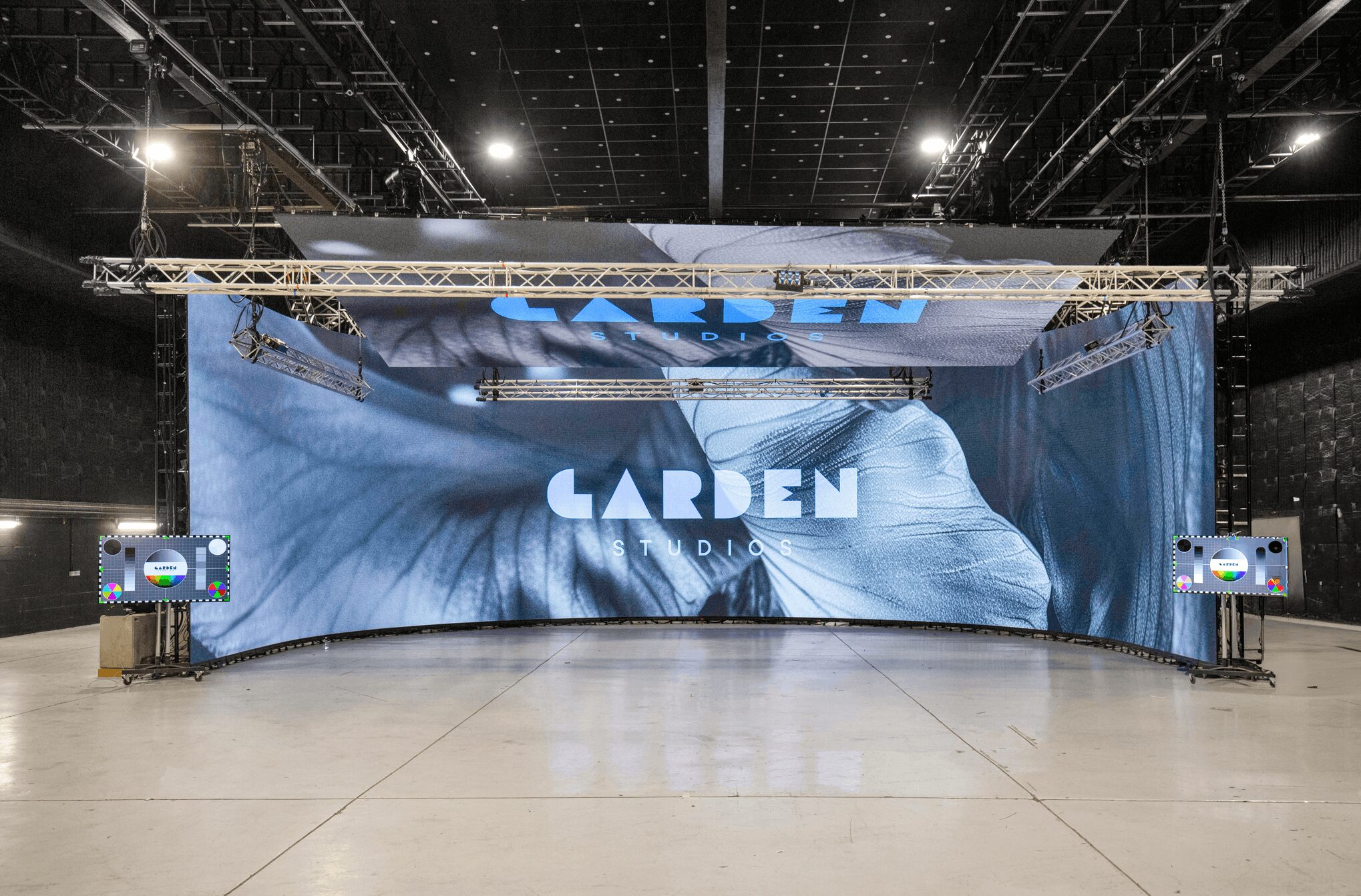
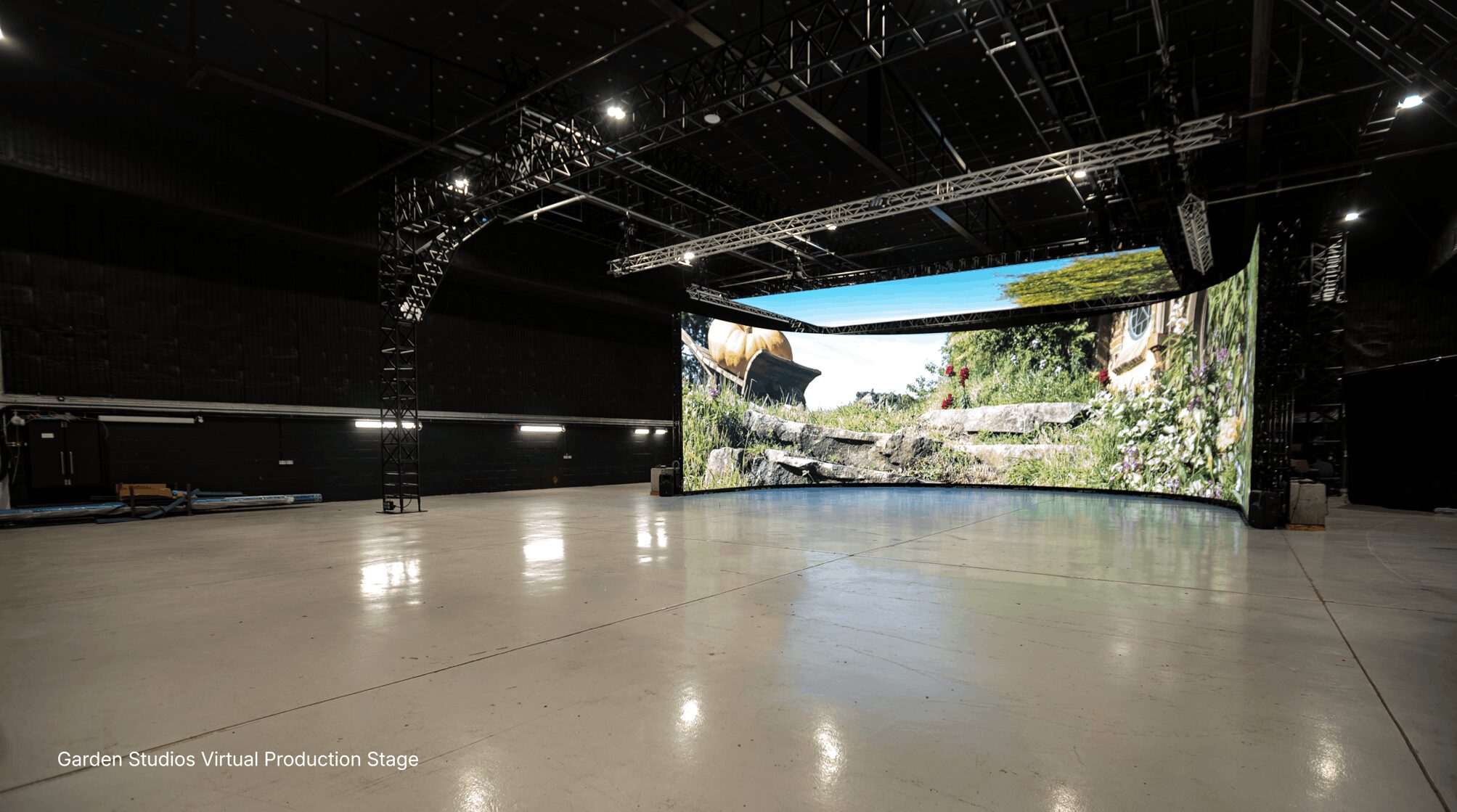
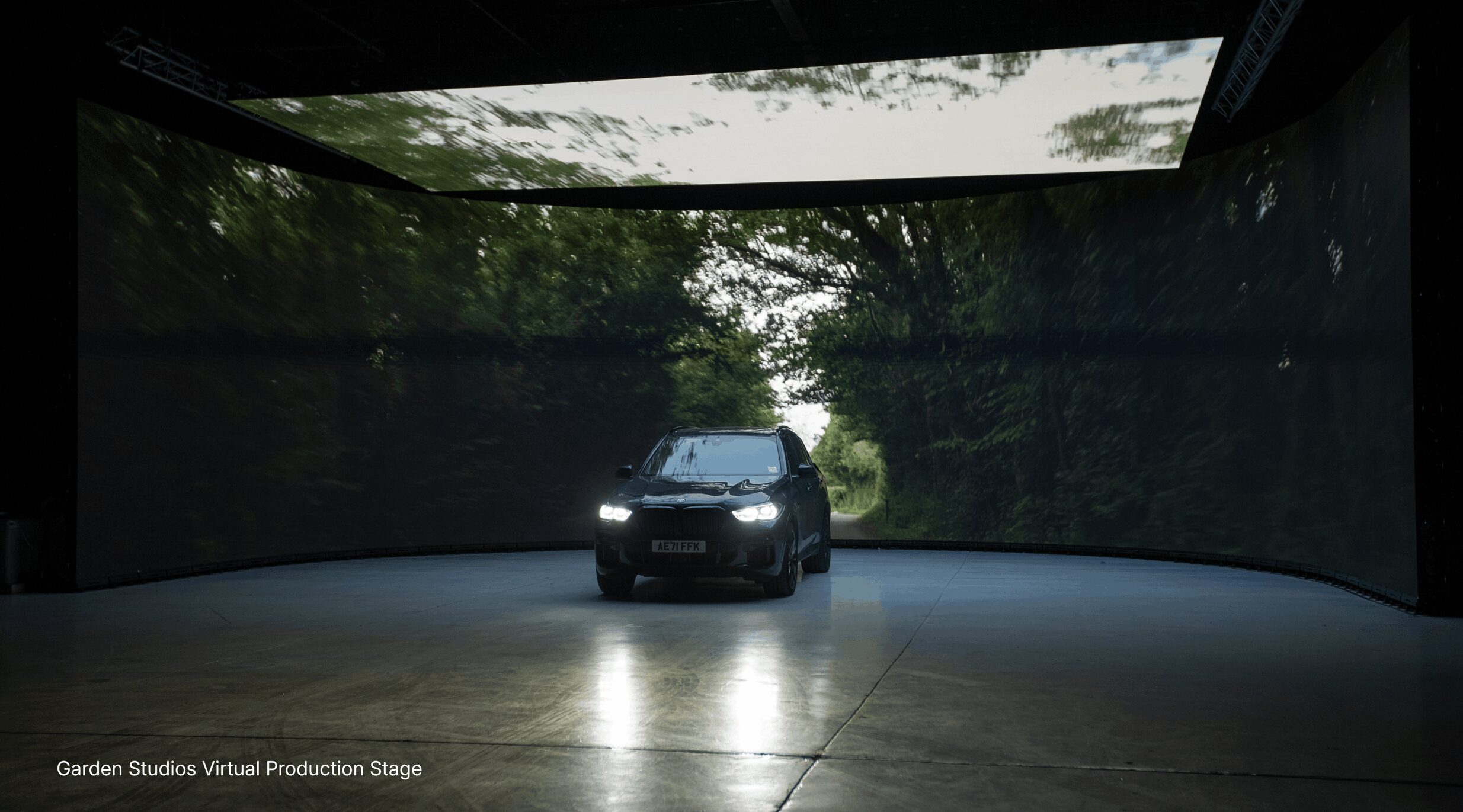
Virtual production (VP) is a filmmaking technology that combines digital environments with physical sets, allowing actors and filmmakers to see the end result in real-time, also known as in-camera visual effects. Early on, studios and productions built large, costly LED stages to customise the solution for tent-pole feature films, but now productions can access smaller, more nimble volume stages at locations like Garden Studios, which offers a permanent virtual production studio.
Garden Studios launched in 2021, the same year as the Nostradamus Report: Transforming Storytelling Together, and opened one of the UK’s first permanent VP LED volume stages. In the report, Alex Stolz, the Founder of usheru, cited working with Garden Studios as an example of making VP more accessible to a range of budgets for the future.
Five years on, Sam Kemp, the VP Supervisor at Garden Studios, shares expert insights into how VP has evolved, and whether the eighth Nostradamus report’s predictions came true.
Virtual production in 2026: Did the industry predictions come true?
Posted: 21 May 2026


The landscape of virtual production in 2026
The industry report predicted that by 2026, ‘Virtual production methods, tools, and pipelines will have been completely normalised across the industry. Production pipelines will have shifted to emphasise pre-production, and re-empower artistic collaboration across departments.’ How much of this prediction came true?
Sam Kemp: Virtual production has become a part of most modern productions, at least in the context of simulated travel. Most High-end TV (HETV) and feature films use LED volumes to shoot driving scenes with their principal talent, due to the speed and ease of shooting compared to traditional low-loader methods.
Back-end content pipelines still vary between studios, but they are mostly clustered around five to six software suites with similar offerings. Calibration pipelines and standards are beginning to emerge, such as Netflix’s OpenVPCal or SMPTE’s OpenTrackIO.
Advertising clients were some of the first to use VP to enable productions to work during the pandemic, which has continued and been honed into further cost savings, while also increasing creativity with experienced directors writing treatments with VP in mind.
The challenges of virtual production in 2026
What are the driving factors behind VP not becoming completely normalised as predicted?
Sam Kemp: Some poorly executed VP productions have given incorrect expectations to producers and creatives that VP can never deliver ‘photoreal’ environments or backdrops to match the quality of traditional greenscreen compositing.
The cost of VP also remains high compared to traditional production methods, and the knowledge required to maximise schedules and thus make cost savings is still lacking in the wider industry.
VP has a higher cost-per-day of shooting, which can initially put inexperienced teams off before they have a chance to understand the real cost savings that come through efficiency, and a reduced total number of shooting days.
According to Variety, the FX TV series, Snowfall, saved up to $49,000 per episode by using VP to reduce transportation man-hours, shooting time and crew loads.
VP ultimately reduces risk and creates a controlled environment where almost all costs can be planned for in advance. Compared to location shoots that might incur unexpected costs, or scenes that require significant VFX work later.
The knowledge gaps around virtual production
The 2021 report said that at the time, there was a knowledge and education gap around VP, which could prevent people from using the technique. Has this since changed?
Sam Kemp: The knowledge gap in conventional production teams is definitely shrinking; more and more of the technical crews we work with have some experience working on a volume stage. Producers are less wary of using VP due to this increased understanding, reducing the amount of onboarding and prep with incoming crews, which reduces the overall cost of a volume shoot.
However, there is still a knowledge and experience gap in technical crews to successfully run a volume, which limits how quickly the VP industry can scale. Productions need to bring in experienced VP supervisors early, ideally during prep, to help advise how best to proceed on simple things like correctly matching the lens height of photographic driving plates to each vehicle for correct perspective.
Although many VP courses teach Unreal Engine and ‘VP Supervision’ in a week, very few tackle the wider skillset required to fill out an on-set VP team: image processing, colour pipelines, camera tracking and system infrastructure. Still, more and more universities have been identifying VP as a key skillset to teach the next generation of filmmakers, with many constructing their own small volumes to allow students the necessary hands-on experience.
Skills in demand for virtual production
How has VP expanded the industry’s job market in these last five years? Are there any skills that are currently in high demand because of VP?
Sam Kemp: VP technicians with experience across multiple disciplines are highly in demand as they can cover multiple bases, reducing the number of teams needed to execute, and therefore, the overall cost of the shoot. Media server operators with on-set experience are especially in demand due to the fast-paced changes required, not something typically required of those from a corporate or events background.
Experience with image-based lighting is another key skill set where simulated travel is becoming the primary use case. Being able to best choose how to drive complex DMX lighting fixtures from different data streams isn’t just about traditional lighting craft; it incorporates networking and advanced lighting control software, too.
The technology is still new, and many processes still require manual adjustments by skilled operators, not dissimilar to the workings of the traditional film crew, but further efficiencies can likely be made to result in further time saved, and therefore, cost savings.
A report from the Department for Culture, Media & Sport (published in 2022 and updated in 2025) found that the technical/practical skills gap impacting the largest proportion of creative industries businesses was in ‘specialist skills and knowledge for the role’.
Predictions for the next five years of virtual production
According to a recent study by Global Market Insights Inc, the VP market is forecast to grow from $3.3 billion in 2026 to $6.5 billion in 2030 and to $18.5 billion by 2035. What do you think will be the key driving factors in this growth?
Sam Kemp: Time efficiency is the next big win for VP, reducing both the prep time and the time for on-set changes to minimise downtime and maximise the amount of the day being used to capture content. This comes from increased industry experience catching issues before the shoot day, as well as increased technology use, automating processes like media ingestion, plate perspective warping and colour-matching.
The pool of experienced VP technicians will grow, giving studios more resiliency and the ability to hire day players to scale up and down as required for individual shoots. Juniors in the industry will climb upwards, taking with them the VP knowledge gained and an awareness of virtual production as an important tool in the production toolbox.
Virtual production has become a key element of the film and TV industry, reducing long-term costs, decreasing production time, and improving sustainability. While there are still aspects keeping VP from being completely normalised, such as the skills shortage, it’s definitely been established as a critical technique.